
Green Color Meaning | Connotations & Shades
#008000
Green evokes the living world and a sense of fresh momentum—meanings that convey calm, steadiness, and restorative, outdoorsy energy. This article explores the symbolism of the color green, lists the color names commonly used to describe green shades, and provides practical information about green color codes and palettes.

What does the color green symbolize?
Green is commonly associated with nature, growth, and renewal and can be used as a visual shorthand for living things, new beginnings, and balance. Green can feel relatively warm or cool depending on its undertone—yellow-leaning greens feel warmer, while blue-leaning greens feel cooler. Many shades of green can also feel steady, calming, and easy on the eyes, which is why it shows often in spaces and designs meant to feel welcoming.
The color green is strongly associated with environmentalism—brands and organizations often use green to signal natural ingredients, ethical sourcing, or climate-conscious values.
Green is also the color of go-ahead signals: a green traffic light means you have permission to continue, and many interfaces use green for confirmations (check marks, success messages, and “approved” statuses).
Color conversion
#008000| Format | Value |
|---|---|
| HEX | 008000 |
| RGB | 0, 128, 0 |
| RGB Percent | 0%, 50%, 0% |
| CMYK | 1, 0, 1, 0.5 |
| HSL | 120°, 100%, 25% |
Facts about green
Most plants appear green because chlorophyll (the key pigment for photosynthesis) absorbs light most strongly in the red and blue parts of the spectrum and reflects more of the green wavelengths back to our eyes.
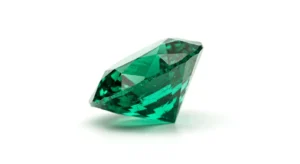
The color of an emerald can range from warmer, more yellowish greens to cooler, slightly bluish greens and depends on the presence and relative amounts of chromium, vanadium, and iron.
The distinction between blue and green in European languages doesn’t map neatly onto many historical and non-European languages. A famous example of this is how green traffic lights are commonly referred to in Japanese using a word typically taught as “blue,” because this word historically covered a wider blue-to-green range.

In the RGB system used for screens and light, the primary colors are red, green, and blue, but in the traditional RYB model commonly taught in art classes, the primaries are red, yellow, and blue—where green is a secondary color achieved by mixing yellow and blue.
As well as a red heart emoji ❤️, the official Unicode Consortium emoji list includes a green heart emoji 💚.
Green hex code
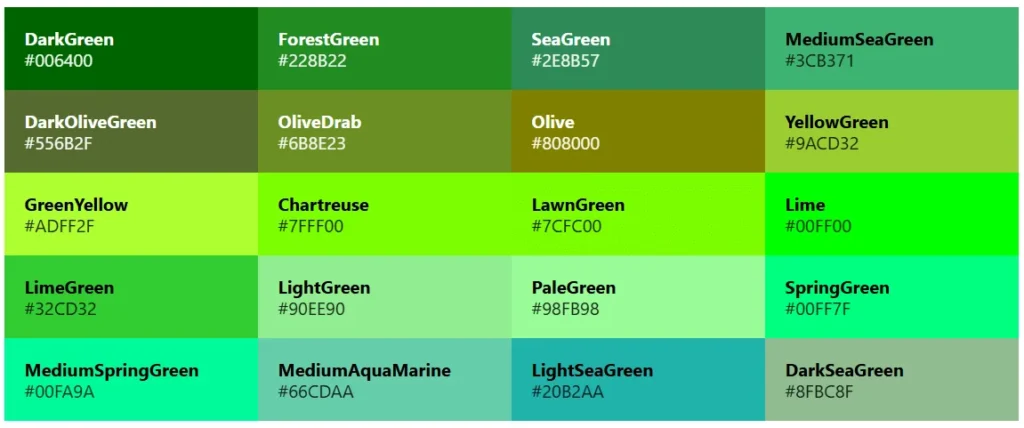
The HTML and CSS green hex code is #008000. This is the code for the color name “green,” but CSS includes several other standard named green colors too—here are their color codes:
- Chartreuse #7FFF00
- DarkGreen #006400
- DarkOliveGreen #556B2F
- DarkSeaGreen #8FBC8F
- ForestGreen #228B22
- GreenYellow #ADFF2F
- LawnGreen #7CFC00
- LightGreen #90EE90
- LightSeaGreen #20B2AA
- Lime #00FF00
- LimeGreen #32CD32
- MediumAquaMarine #66CDAA
- MediumSeaGreen #3CB371
- MediumSpringGreen #00FA9A
- Olive #808000
- OliveDrab #6B8E23
- PaleGreen #98FB98
- SeaGreen #2E8B57
- SpringGreen #00FF7F
- YellowGreen #9ACD32
Shades of green
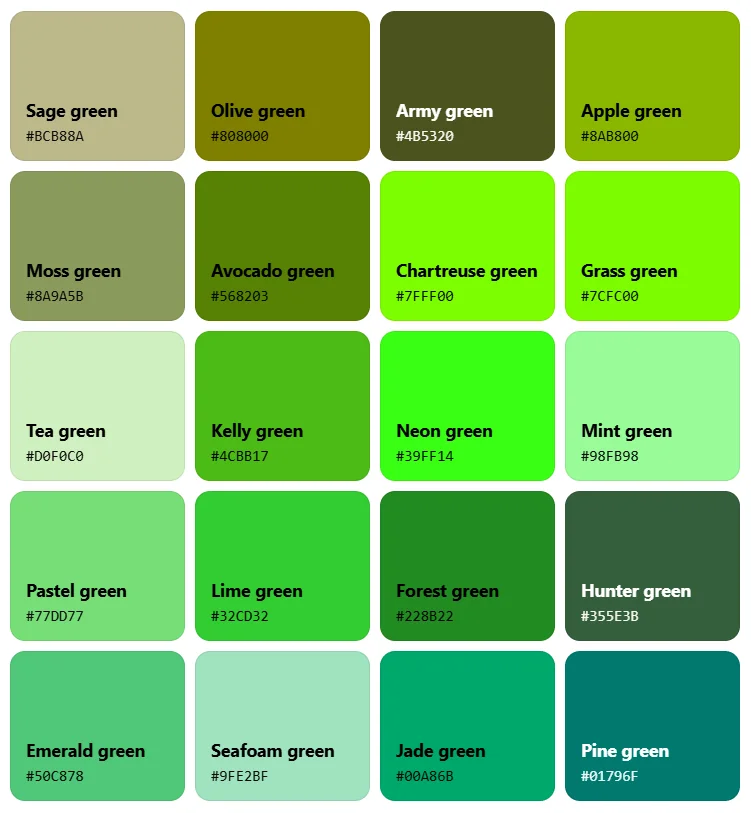
Here are some commonly used names for shades of green, along with green color codes you can use to create each one:
- Sage green #BCB88A
- Olive green #808000
- Army green #4B5320
- Apple green #8AB800
- Moss green #8A9A5B
- Avocado green #568203
- Chartreuse green #7FFF00
- Grass green #7CFC00
- Tea green #D0F0C0
- Kelly green #4CBB17
- Neon green #39FF14
- Mint green #98FB98
- Pastel green #77DD77
- Lime green #32CD32
- Forest green #228B22
- Hunter green #355E3B
- Emerald green #50C878
- Seafoam green #9FE2BF
- Jade green #00A86B
- Pine green #01796F
Color variations
Tints
- #009e00 • Click to copy
- #00bd00 • Click to copy
- #00db00 • Click to copy
- #00fa00 • Click to copy
- #1aff1a • Click to copy
- #38ff38 • Click to copy
- #57ff57 • Click to copy
- #75ff75 • Click to copy
Shades
- #006100 • Click to copy
- #004200 • Click to copy
- #002400 • Click to copy
- #001400 • Click to copy
- #001400 • Click to copy
- #001400 • Click to copy
- #001400 • Click to copy
- #001400 • Click to copy
Tones
- #00c200 • Click to copy
- #08c908 • Click to copy
- #12ce12 • Click to copy
- #1dd31d • Click to copy
- #29d629 • Click to copy
- #3fcf3f • Click to copy
- #54c954 • Click to copy
- #68c468 • Click to copy
Colors that go with green
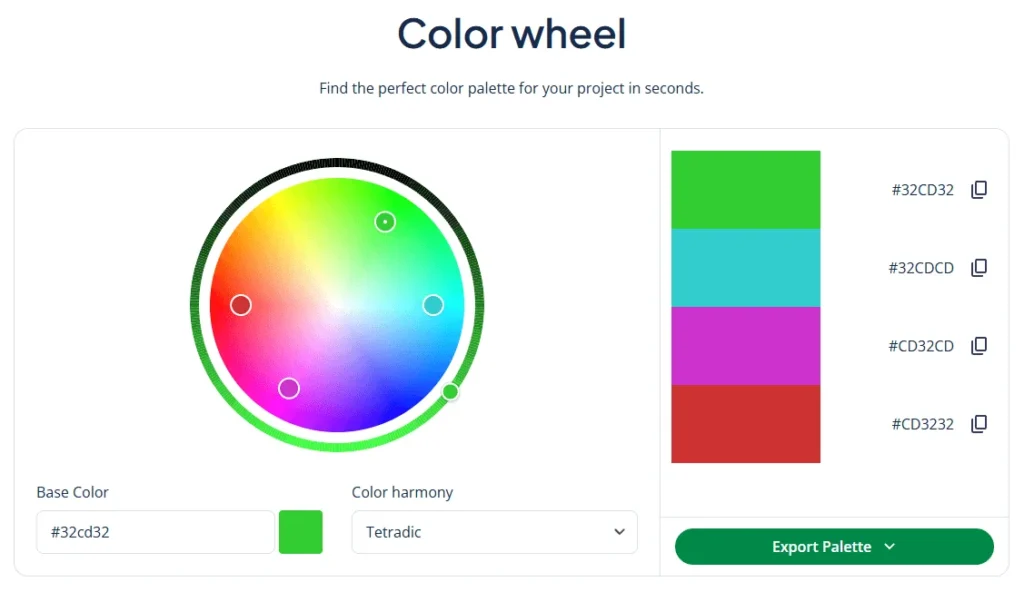
You can use a color wheel tool, like QuillBot’s color wheel, to find colors that go with green. Enter the hex code for a shade of green to generate matching harmonies based on color theory, which you use to build a cohesive, balanced palette with complementary and contrasting hues.
Green wallpaper
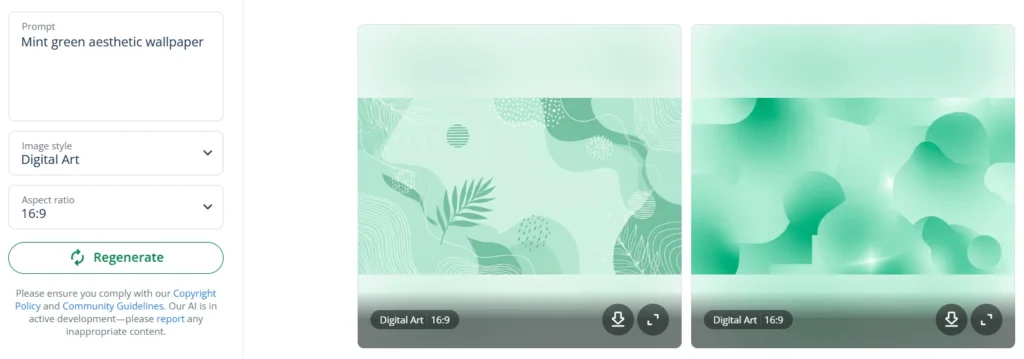
You can create personalized green aesthetic wallpaper for your phone or laptop using an AI tool like QuillBot’s free online AI wallpaper generator.
Try starting with a prompt that describes the shade of green that you’re going for, like “Mint green aesthetic wallpaper.” Then, create more AI images using an iterative process until you generate a design you like.
- Mono
- Analogous
- Complimentary
Frequently asked questions about green
- What are some shades of the color green?
-
Names for shades of the color green include:
- Olive green—hex code: #808000
- Apple green—#8AB800
- Mint green—#98FB98
- Lime green—#32CD32
- Forest green—#228B22
- Emerald green—#50C878
- Jade green—#00A86B
To view examples of these shades of green on your device, enter the hex codes above into QuillBot’s color wheel tool.
- How can I create a green colors palette?
-
You can create a palette of green colors with the help of a color wheel tool, such as QuillBot’s color wheel.
Simply enter the hex code for a shade of green to generate an analogous color scheme (other nearby green hues on the color wheel).
- What are complementary colors of green?
-
The complementary color of green is red on a color wheel that uses the Red-Yellow-Blue color model. On a wheel that uses the Red-Green-Blue color model, the complementary color of green (#00FF00) is magenta (#FF00FF).
On a color wheel, a hue’s complementary color is found on the opposite side of the wheel.
Red-Yellow-Blue model is the model traditionally taught for paint mixing, while the Red-Green-Blue color model is used for screens.
You can find the complementary color of any hue by entering its hex code into QuillBot’s color wheel.
- What are some names for colors of green?
-
Some names for colors of green are:
- Sage green—hex code: #BCB88A
- Moss green—#8A9A5B
- Avocado green—#568203
- Chartreuse green—#7FFF00
- Tea green—#D0F0C0
- Neon green—#39FF14
- Pastel green—#77DD77
If you know the hex code for a shade of green, you can ask QuillBot’s free AI Chat how to describe it by entering its hex code.
- What is a good nature green color?
-
A good choice for a nature green color on a screen is #228B22, which corresponds to the CSS color name “forestgreen.”
Explore lighter, darker, or more blue-leaning or yellow-leaning hues by entering #228B22 into QuillBot’s color wheel and adjusting the hue and brightness.